Vue lecture

Il y a de nouveaux articles disponibles, cliquez pour rafraîchir la page.

Erika Kirk drag queen gets huge backlash from raging conservatives: ‘Disgusting filth’

LA-based drag queen Lauren Banall, who has gone viral with performances cosplaying as Erika Kirk, has been hit with huge backlash from raging conservatives. 

Banall has gone viral for her satirical performances as “Erika Qwerk”, gaining enough popularity to fundraise for US civil rights charity the American Civil Liberties Union in want to stop the Trump administration.  

But followers of Erika Kirk, the wife of right-wing Turning Point USA founder Charlie Kirk – who was shot and killed while speaking at an event at Utah Valley University last  – are not happy with Banall’s act.

READ MORE: Star Wars actor Kelly Marie Tran says ‘trans rights are human rights’ in reference to Harry Potter

Emily Finn, co-host of the Real America’s Voice’s American Sunrise show, condemned the drag performances as “a mockery of a conservative icon”. 

She added: “Outrage has boiled over with conservatives calling it a heartless exploitation of grief and a new low in the culture wars. Critics say this isn’t just satire, it’s a personal attack. And once again, the left celebrates mockery of conservative figures.”

Her co-host David Brody called the performances “pure evil” and called on Banall to “leave this poor woman alone”. 

🚨 **DISGUSTING:** A drag queen performer going by "Erika Qwerk" (real name Lauren Banall) has gone viral on TikTok with exaggerated, campy impersonations of Erika Kirk—the grieving widow of assassinated conservative activist Charlie Kirk—lip-syncing to her interviews while in… pic.twitter.com/rhda0vEChK

— US News Hub (@USHubNews) January 23, 2026

A conservative account on X called the drag queen’s performances “disgusting”, adding: “Absolutely low – mocking real grief after such tragedy is vile.” 

Libs of TikTok also condemned the act as “absolutely disgusting”, although the post was flooded with comments from people hitting out at the anti-LGBTQ+ account for not being able to take a joke. 

“Now all of a sudden you can’t take dark humour,” a comment with 40,000 likes read. 

now all of a sudden you can’t take dark humor

— poppy 🦋 (@notpopbase) January 23, 2026

A different repost of a clip of the drag queen was captioned: “Leftists sit, watch, laugh and clap as a drag queen named ‘Erika Qwerk’ mocked Erika Kirk and her grieving after her husband Charlie Kirk was assassinated.

“This is who the ‘tolerant left’ really is. A bunch of vile, hateful, and disgusting filth.” 

Banall previously said that she created Erika Qwerk “from feeling so helpless and gaslit in this political moment”. 

Leftists sit, watch, laugh and clap as a drag queen named “Erika Qwerk” mocked Erika Kirk and her grieving after her husband Charlie Kirk was as*as*inated.

This is who the “tolerant left” really is. A bunch of vile, hateful, and disgusting filth.

pic.twitter.com/tjCm3vZfPN

— Based Bandita (@BasedBandita) January 23, 2026

She explained: “So many things feel so insane, so not-normal, and it feels like no one is addressing it. I kept seeing [Erika Kirk] over and over again in different interviews and events, and kept being bewildered by her strange behaviour. Eventually, I saw a TikTok where someone added the horror noise every time she squinted her icy blue eyes in a menacing manner, and it made me laugh so hard. I thought, ‘finally it feels like someone sees what I see.’”

In recent weeks, Erika Kirk has made numerous press and event appearances, most notably on stage at Turning Point USA’s AmericaFest in December where she interviewed rapper-turned-Trump-advocate, Nicki Minaj.

Share your thoughts! Let us know in the comments below, and remember to keep the conversation respectful.

The post Erika Kirk drag queen gets huge backlash from raging conservatives: ‘Disgusting filth’ appeared first on PinkNews | Latest lesbian, gay, bi and trans news | LGBTQ+ news.
‘Conversion therapy did nothing to get rid of my transness,’ survivors say

Survivors of so-called ‘conversion therapy’ have opened up about the lengths to which the abusive practices traumatised them in a powerful new documentary.

Warning: This article contains first-hand accounts of abusive conversion practices and mentions suicide. Reader discretion is advised.

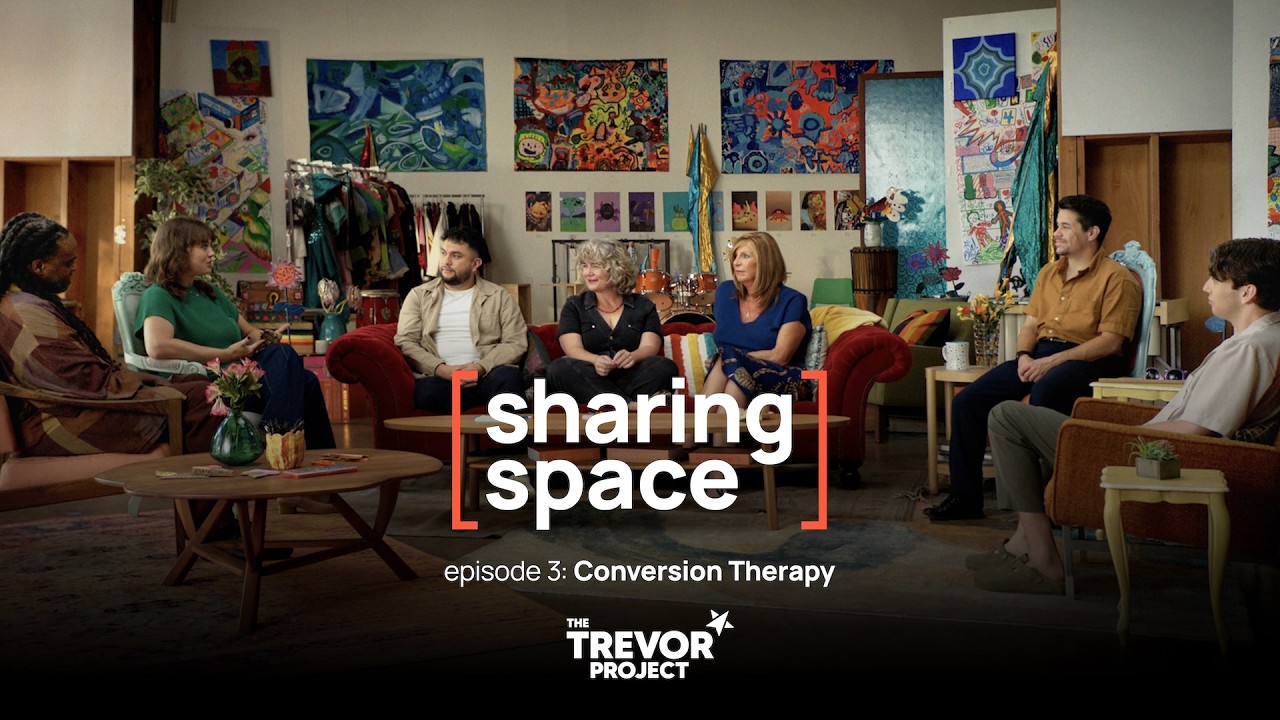
The third instalment of The Trevor Project’s docu-series, Sharing Space, sees six LGBTQ+ people from all walks of life, who were subjected to the harmful practice, discuss the impact it has had on their lives.

“I’m not broken. I’m not fixed. I’m just different,” trans Kentucky resident Dr Bobbie Glass, who endured conversion practices in the 1970s, told the group. “Conversion therapy did not do anything to get rid of my transness. It made me feel super ashamed. It made me depressed. It sent me into clinical depression and years of anti-depressants and suicidality.”

READ MORE: EHRC trans guidance to be changed under ‘constructive’ review, sources claim

So-called ‘conversion practices’ are acts of physical or psychological abuse, typically by religious groups, that attempt to change an LGBTQ+ person’s sexuality or gender identity, which is not possible.

While more than 20 US states currently have laws banning the practice, the majority of state legislatures have yet to consider bans. The Supreme Court is also currently considering a case that could heavily impact currently enforced bans.

Dr Glass said she was pressured to undergo conversion practices while in her 20s after sharing her feelings of gender dysphoria with her ex-wife, who then filed for divorce.

‘I’m not broken. I’m not fixed. I’m just different’

“These two Sheriffs walk into my office, and they hand me a divorce decree,” she said. “I was reading this decree, and it was like, ‘you will never see your children again.’ That just killed me, so I was like, oh my god, what can I do?”

The mother of four and grandmother of 10, now in her 70s, said she was sent to the leaders of a local church, who suggested she undergo shock therapy at her own expense.

“I start going to those and I go to these accountability meetings … I’m just working as hard as I can because I’m a willing participant in this. Like, no, I don’t want a divorce. No, I don’t want to lose my kids forever. Whatever it takes to make this go away.”

Eventually, Dr Glass realised the practice did not, and could never, work. She came out as trans and, as she put it, now lives a life “full of abundance”.

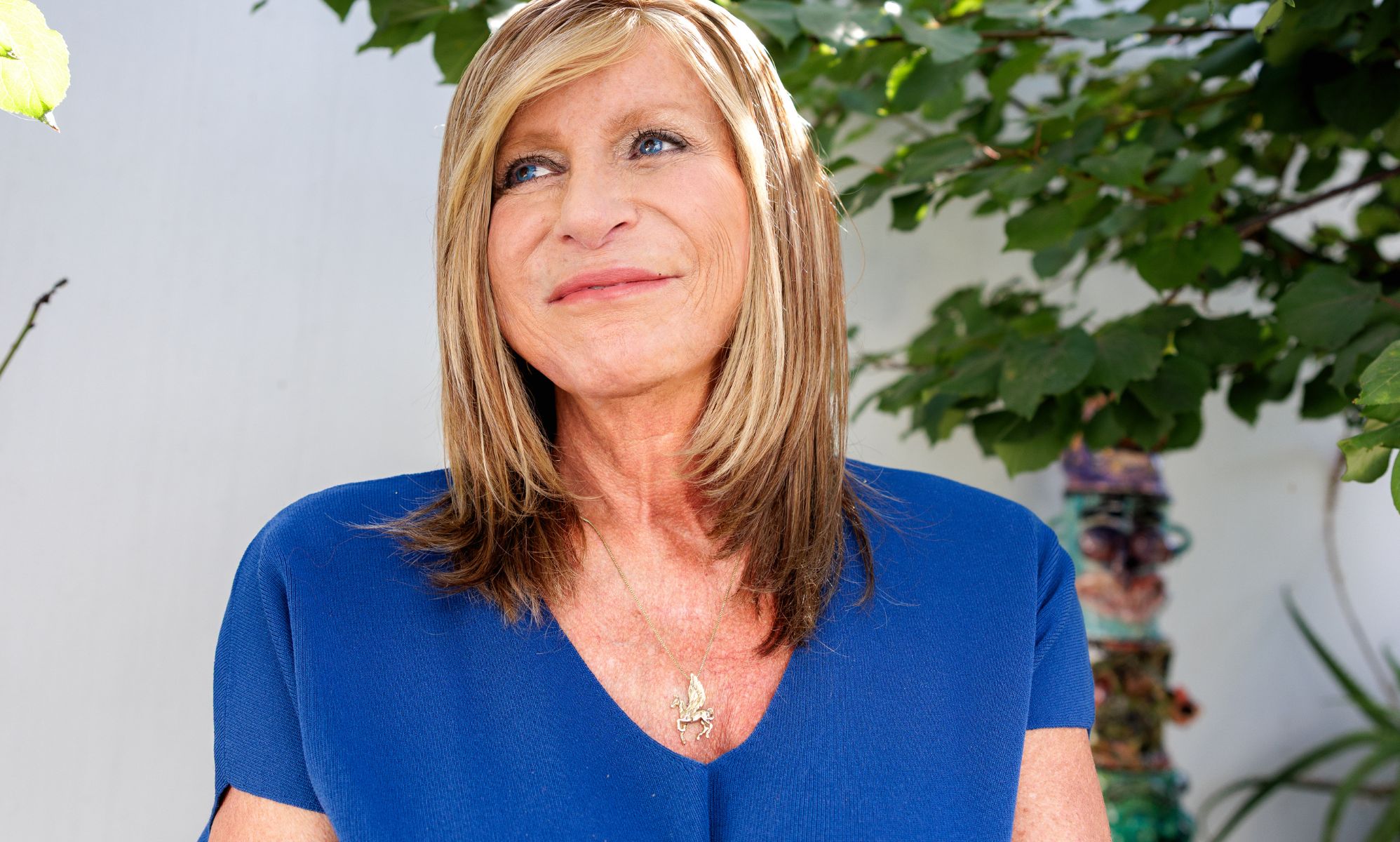
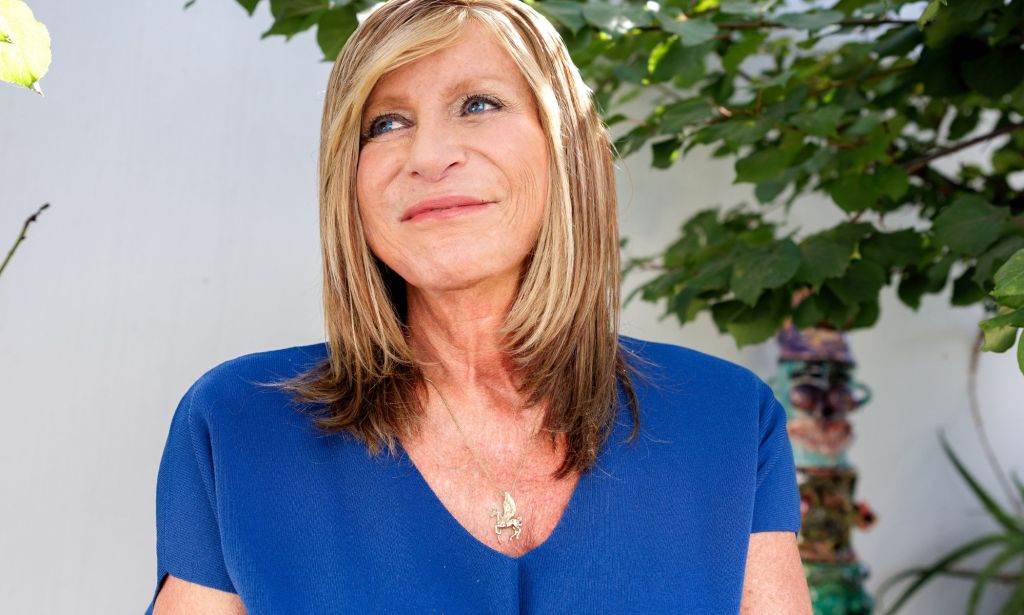
Dr Bobbie Glass.
Dr Bobbie Glass. (The Trevor Project)

The traumatic experience didn’t come without its impacts, however. The assistant professor of Special Education said she still struggles to believe she deserves to be happy, but that she is “working through that”.

Research shows that LGBTQ+ people subjected to conversion practises are more than twice as likely to attempt suicide and nearly three times as likely to report multiple suicide attempts in a year.

Despite its clear impacts, the practice is still on the rise in the US according to The Trevor Project, which said instances of LGBTQ+ youth being threatened with abusive exercises has nearly doubled over the past year.

A spokesperson for the LGBTQ+ suicide prevention group, Nolan Scott, urged Congress to listen to the generations of LGBTQ+ people who were subjected to traumatic acts and to prevent further harm.

“Too often, political debates and news stories about this topic fail to include the LGBTQ+ people who have been subjected to conversion therapy,” Scott said. “Our goal with this episode is to show the real people, and share the real stories, behind the headlines and government actions.”

Trump pushing ‘conversion therapy’ on trans youth

Another survivor, Illinois resident Darren, noted that there had been a “subtle language shift” among conversion groups who began to platform individuals claiming that the practice had worked.

“Because it’s a social tool, it reformulates every few years, and the [practices] of 15 years ago, [conversion groups say] we’re not using those anymore, we’ve got new ones.”

Californian trans man, Syre, echoed this, saying that groups had begun adapting to political shifts in the US, particularly following Donald Trump’s inauguration last year.

“The executive order that the [Trump] administration released recently has transgender affirming healthcare up against, essentially, conversion therapy lite, where instead of doing gender-affirming care for youth, parents seek therapy elsewhere.”

Andrew from Missouri opened up about his own experiences, saying he came out to his parents at 14 years old, who heavily disapproved.

His father forced him to go to a counsellor in Kansas City who subjected him to psychological abuse three times per week for just over two months.

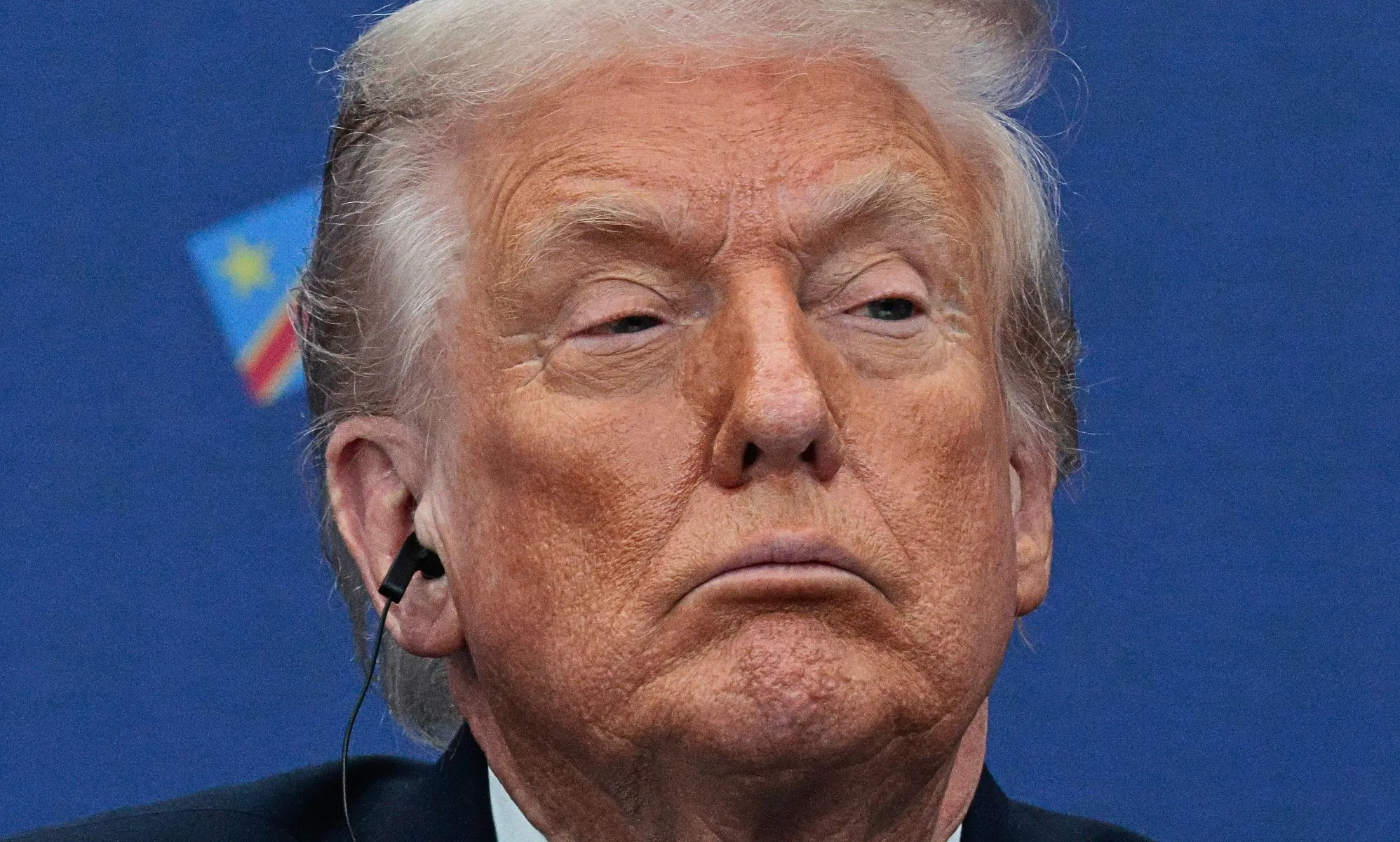
A close-up of US president Donald Trump.
Donald Trump. (Getty)

“I called it learned self-hate,” Andrew said. “He essentially told me to use, like, half of my brain to suppress all of these thoughts I was having, and that there was something wrong with me for having these thoughts.”

The trauma from these sessions were so intense that Andrew attempted to take his own life, which he said forced him to pretend to his parents that the sessions had worked in order to get out of them.

Four years later, he attempted to take his own life after being subjected again to conversion practice following his expulsion from an Oklahoman college over his relationship with another male student.

While in the emergency room following his attempt, Andrew said he asked his mother whether she would attend his wedding if it was another man, to which she responded: “No because that’s sin, and we do not support sin.”

The Trevor Project says it remains committed to helping survivors of conversion practices and other forms of anti-LGBTQ+ abuse, thanking the survivors who spoke up about their trauma. The Trevor Project’s Sharing Space series is available for free on the organisation’s YouTube page.

Suicide is preventable. Readers who are affected by the issues raised in this story are encouraged to contact the Samaritans on 116 123 (www.samaritans.org), or Mind on 0300 123 3393 (www.mind.org.uk). Readers in the US are encouraged to contact the National Suicide Prevention Line on 1-800-273-8255.

Share your story! Do you have an important, exciting or uplifting story to tell? Email us at news@pinknews.co.uk

The post ‘Conversion therapy did nothing to get rid of my transness,’ survivors say appeared first on PinkNews | Latest lesbian, gay, bi and trans news | LGBTQ+ news.

💾

Survivors of so-called 'conversion therapy' have opened up about how the harmful practices has impacted their lives.

Dr Bobbie Glass. (The Trevor Project)

Donald Trump. (Getty)

Here’s Take That’s record of being LGBTQ+ allies – and when two weren’t

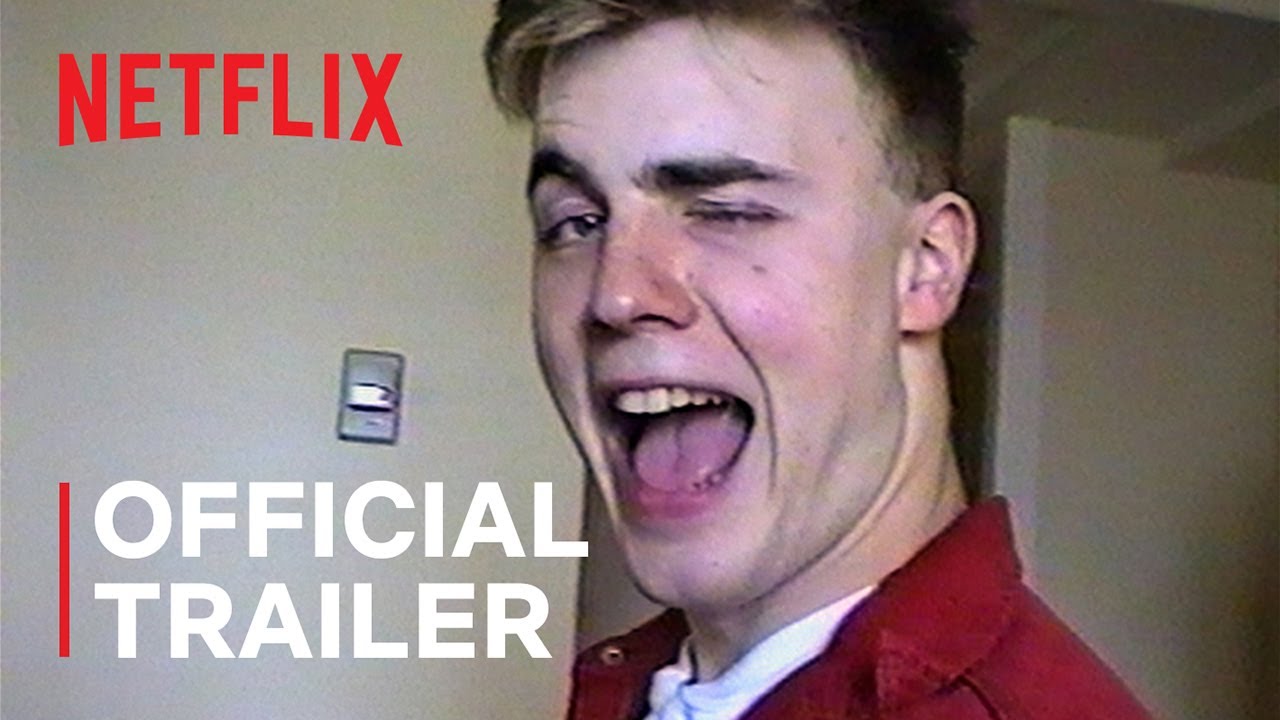
With Netflix’s Take That documentary now out, it’s got us thinking about the band’s history when it comes to the LGBTQ+ community.

Originally made up of Gary Barlow, Robbie Williams, Mark Owen, Jason Orange and Howard Donald, Take That debuted in the nineties and stormed the charts with songs like “Pray,” “Relight My Fire,” and “Babe.”

After Williams left in 1995 the others disbanded in 1996 before reforming without Williams in 2005. The “Rock DJ” singer then rejoined the band in 2010 before Williams and Orange left and the other three continued as a trio.

READ MORE: Robbie Williams jokes he ‘wants to be gay’

All that and more is explored in Take That on Netflix, including the band’s origins performing in gay bars. “They loved us,” says Owen in the documentary. Beyond that the band (for the most part) have been loyal LGBTQ+ allies.

Here are the times we’ve found when the band members were and (occasionally) weren’t LGBTQ+ allies.

Take That

Take That was confirmed for a surprising last-minute appearance at Manchester Pride in 2017. Then made up of Barlow, Owen, and Donald, the group appeared and introduced the stars of the Take That musical, The Band.

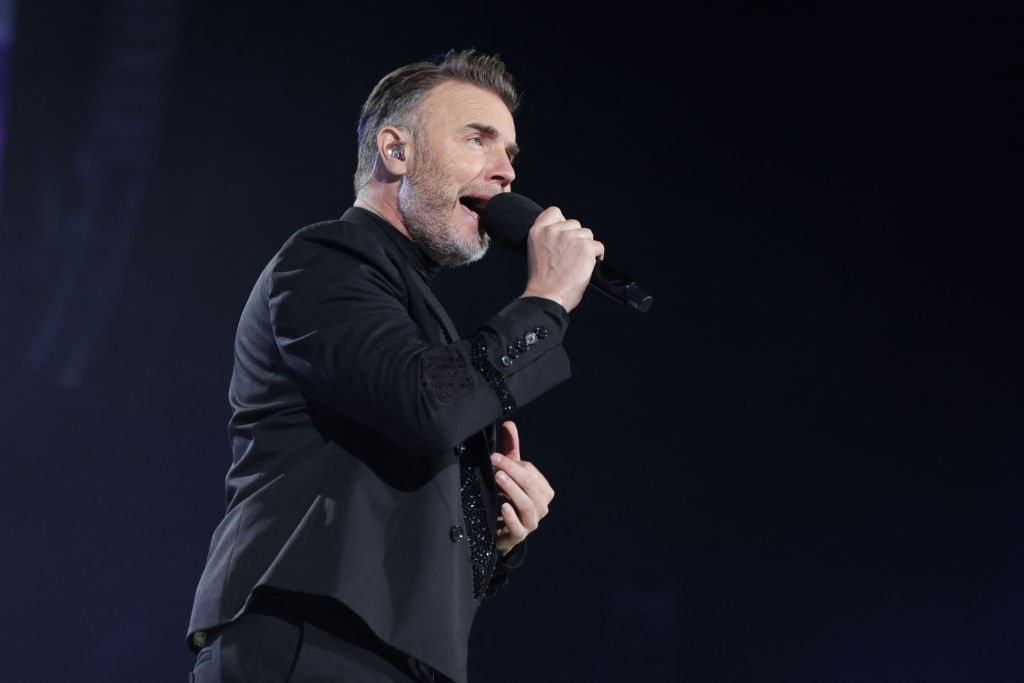
Gary Barlow

Gary Barlow. (Chris Jackson / POOL / AFP) (Photo by CHRIS JACKSON/POOL/AFP via Getty Images)

The frontman has shown his LGBTQ+ allyship by acting as a patron of the Elton John AIDS Foundation since 2014. Barlow has also hosted galas in support of the EJAF.

Barlow also played at the Woodside End of Summer Party which raised funds to support 50,000 pregnant women to help prevent them passing HIV to their babies.

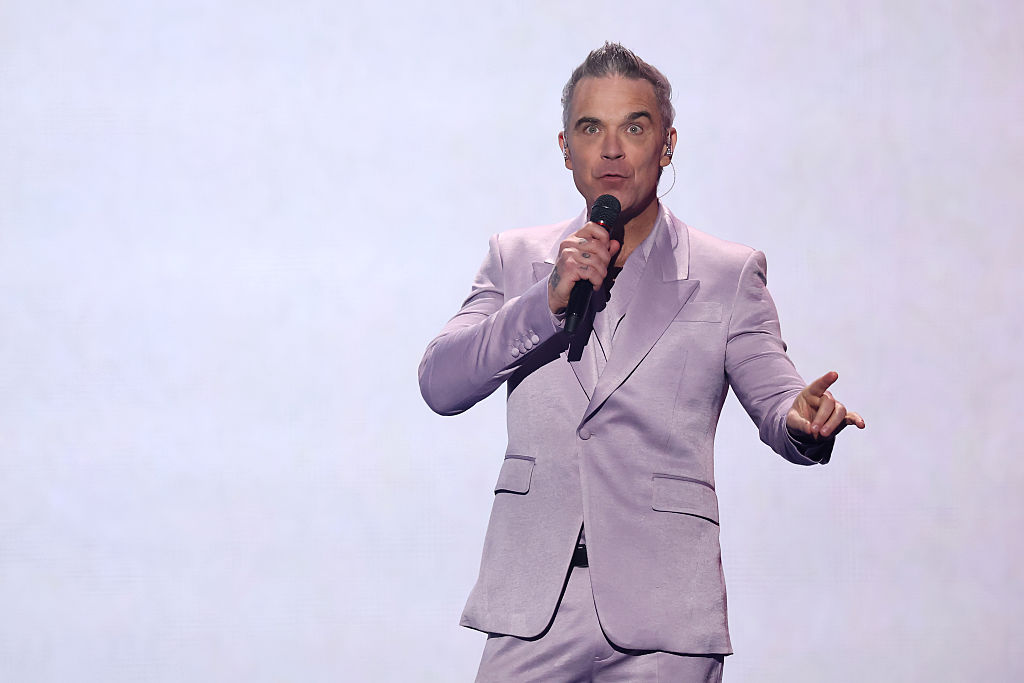
Robbie Williams

Williams has never been shy about anything, and we guess that’s part of the appeal. And even when faced with speculation about his sexuality Williams has given unapologetic responses, as he did in 2024 to The Guardian.

Asked about a 2004 tabloid which purported to have spoken to the singer’s “secret gay lover” Williams, who successfully sued the paper, said he was never upset about being thought of as gay, it was the fabrication.

“I’ve done everything but suck a c***,” he told The Guardian. “Honestly, you’ve never met somebody that wants to be gay as much as me.” He added: “You want to be an ally while at the same time protecting your own authenticity and your own life.

Robbie Williams. (Photo by Hector Vivas – FIFA/FIFA via Getty Images)

“Besides, if I want to suck a c***, I’ll suck a c***. Who’s going to f****** stop me? My wife? The beard!”

Williams also spoke fondly while reflecting on the band’s start in gay bars, the lack of violence and the love in the room. “There was total acceptance and humour and gay abandon. And safety. That’s what I take with me to this day; it was an incredibly safe place for me to grow up,” he said.

Sadly, Williams performed at the 2018 World Cup in Russia, a country that notoriously hates LGBTQ+ people. When he faced similar criticism for performing at the 2022 Qatar World Cup, the singer defended himself arguing against the “hypocrisy” of it.

Williams was also criticised after asking a trans The X Factor contestant for their “birth name”.

Mark Owen

Owen has also addressed the band’s gay bar performances in the past. In an interview with NME in 1997, later reproduced in The Guardian, the “cute one” of Take That said being thought of as gay “didn’t bother” him.

Owen also said: “Because, well, we weren’t. None of us cared anyway, we started off in the gay clubs, we’ve got no problem there. We thought the mystery was good, that’s what got us in the papers.”

Howard Donald

Donald unfortunately let the side down when it came to LGBTQ+ allyship. In 2023, he was dropped by Groovebox’s Nottingham Pride Festival after it emerged he’d liked tweets he later recognised as being “derogatory towards the LGBTQIA+ community”.

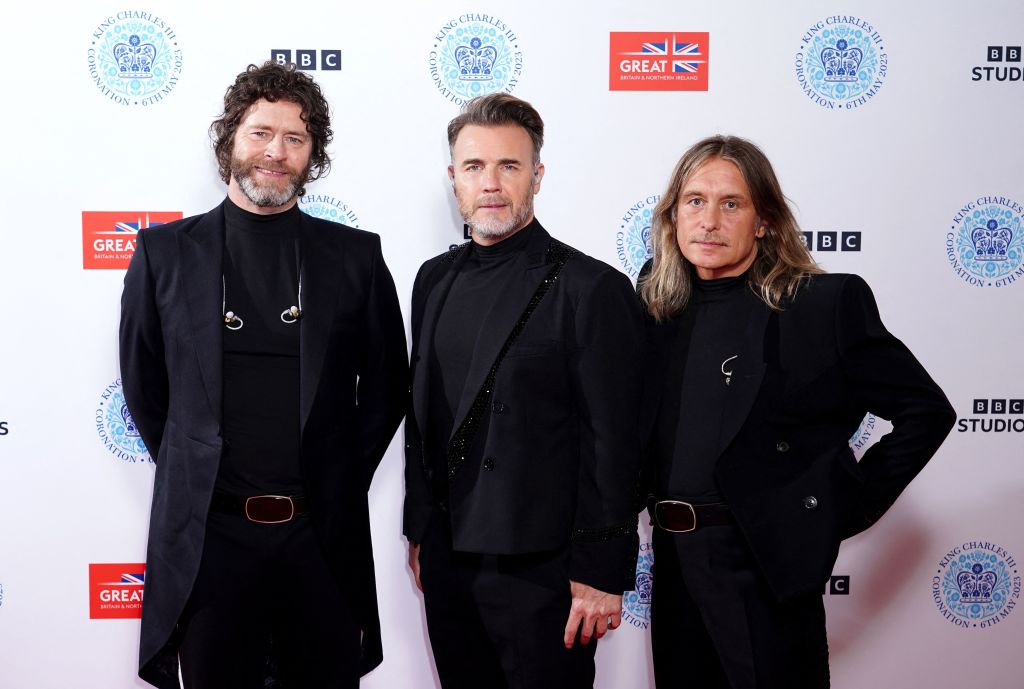
Howard Donald, Gary Barlow and Mark Owen. (Ian West / POOL / AFP) (Photo by IAN WEST/POOL/AFP via Getty Images)

Among the offending posts, Donald had liked were criticisms of a trans-inclusive period poverty campaign, posts calling for Disney to be “defunded” after holding a Pride event, and also posts from Andrew Tate.

In an Instagram statement Donald said: “I have made a huge error in my judgment liking social media posts that are derogatory towards the LGBTQIA+ community and for that I am deeply sorry and I know I have let everyone down. 

“I am really disappointed in myself and I am sorry for any hurt that I caused by my uneducated actions. I clearly have a lot to learn and it’s a priority for me that I do this.”

Jason Orange

Not much is known about the band’s fifth member. After announcing his decision to leave the band in 2014, saying at the time “there have been no fallings out”, Orange reportedly moved to the Cotswolds to enjoy the quiet life.

Take That is streaming on Netflix now.

Share your thoughts! Let us know in the comments below, and remember to keep the conversation respectful.

The post Here’s Take That’s record of being LGBTQ+ allies – and when two weren’t appeared first on PinkNews | Latest lesbian, gay, bi and trans news | LGBTQ+ news.
💾

The members of Take That started out in gay clubs, and since then most have publicly been strong LGBTQ+ allies.
❌