Schools in England must inform parents if their child is questioning their gender in the ‘vast majority’ of cases, the government has said.
Legally-binding guidance brought by the Department for Education (DfE) on Thursday (12 February) says it is “vital” that schools and colleges inform parents or guardians if students present signs of gender dysphoria.
It further instructs staff not to encourage students to “socially transition” and to take a “very careful approach” in using a transgender pupil’s name or pronouns.
Primary schools have been specifically instructed only to affirm a trans child’s gender identity ”very rarely”.
First drafted in 2023 under the conservative government, the guidance originally said primary-aged children “should not have different pronouns to their sex-based pronouns used about then”.
The newly updated draft carves out minor exceptions, but urges staff to exercise caution when affirming trans pupils.
Equality Minister and educations secretary, Bridget Phillipson. (Getty)
Education secretary, Bridget Philipson claimed the guidance was “following the evidence”, saying that children’s safety is “not negotiable”. She did not clarify how affirming gender questioning pupils would impact their safety.
“This is about pragmatic support for teachers, reassurance for parents, and above all, the safety and wellbeing of children and young people.”
Dr Hilary Cass, the author of the widely-controversial review into trans youth healthcare, backed the updated guidance, saying it “reflects the recommendations of my review”.
She further claimed that evidence on the “impact of social transition” remains limited, arguing that schools had a duty to “protect children”.
Campaigners heavily criticised the guidance’s provisions, arguing that its usage of anti-trans dogwhistles, such as the phrase “gender identity ideology” in its foreword, were indicative of its intention.
Activist Sophie Molly condemned its focus on preventing trans pupils from using single-sex spaces consistent with their gender identity, branding it “abuse.”
According to statistics from Crisis, at least 25 per cent of trans people have experienced homelessness at some point, with 77 per cent of young people saying “family rejection, abuse, or being asked to leave home” was the main cause.
Share your story! Do you have an important, exciting or uplifting story to tell? Email us at news@pinknews.co.uk
Corporate brands in the UK are seemingly bowing to the Trump administration’s attacks on diversity, equality and inclusion (DEI), leaving Pride organisations struggling to survive.
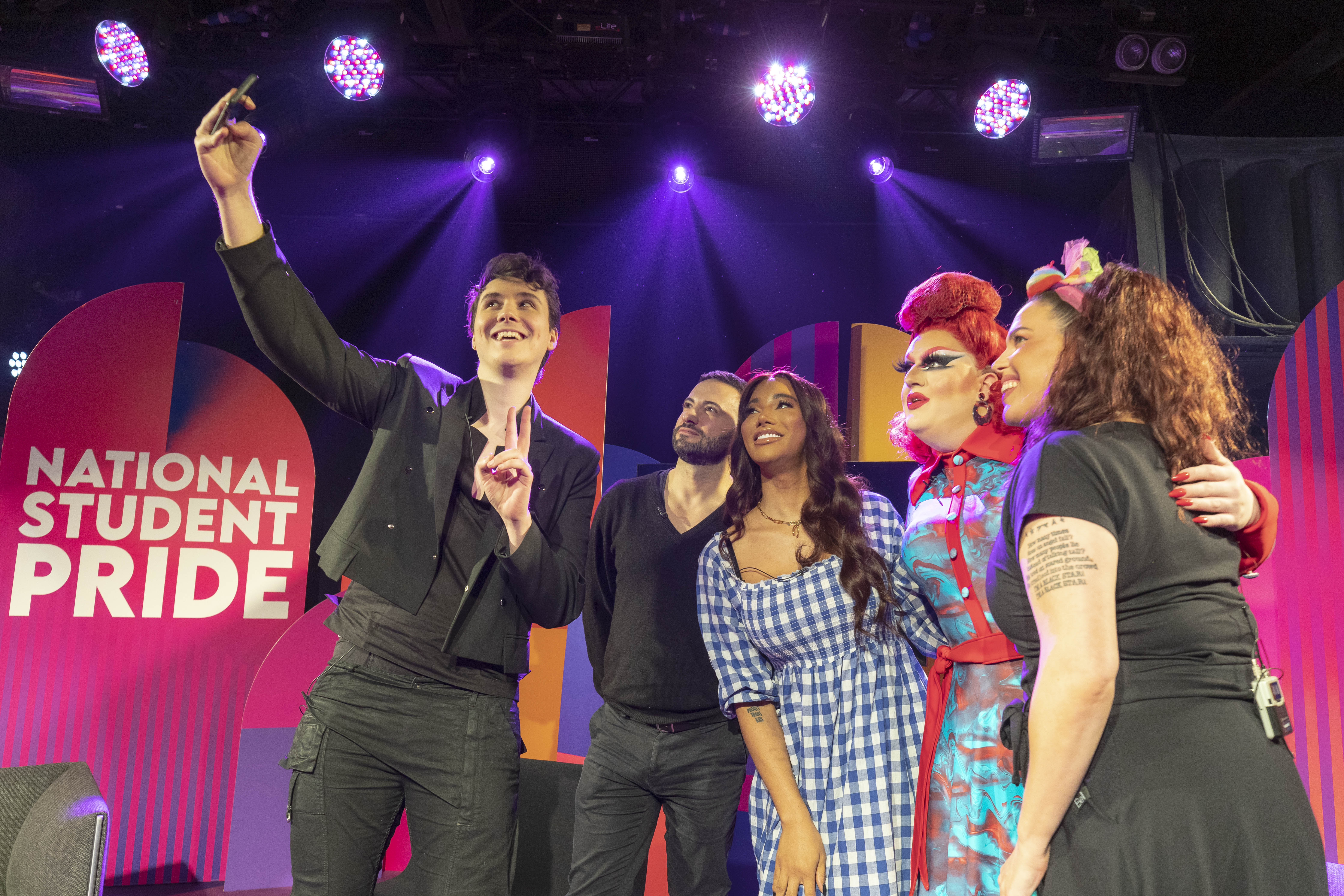
Earlier this week, National Student Pride – the UK’s largest LGBTQ+ student event – announced its 2026 festival will be its last in its current form, due to the number of corporations which are slashing their DEI budgets.
This year’s National Student Pride takes place over the weekend of 13 – 14 February, and includes an UpSkill Careers Afternoon on Friday (13 February) at London School of Economics and Political Science, an inclusive careers event at the University of Westminster on Saturday (13 February), as well as panels, celebrity meet-and-greets, drag performances and clubbing events in Soho.
When organisers announced the annual event would be ending after 21 years they said the decision was taken due to a “sustained” fall in corporate funding, with National Student Pride’s income down by around two-thirds compared to two years ago.
Speaking exclusively to PinkNews about the stark situation, Tom Guy – an original founder and a current trustee of National Student Pride – outlined the organisation had 24 event sponsors and 53 stalls for its career fair in 2024 but by 2026 this was down to just eight sponsors and 20 stalls.
Guy explained this nosedive in support from the corporate sector has left the volunteer-led organisation unable to support itself, with organisers not convinced that they would even be able to cover the salary of their singular paid member of staff.
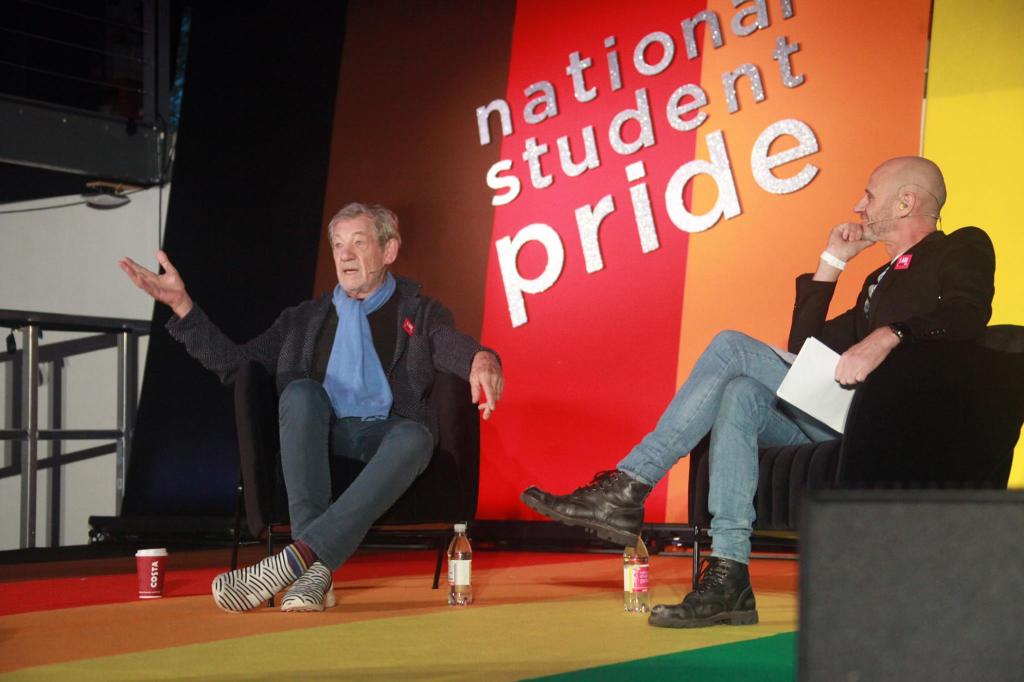
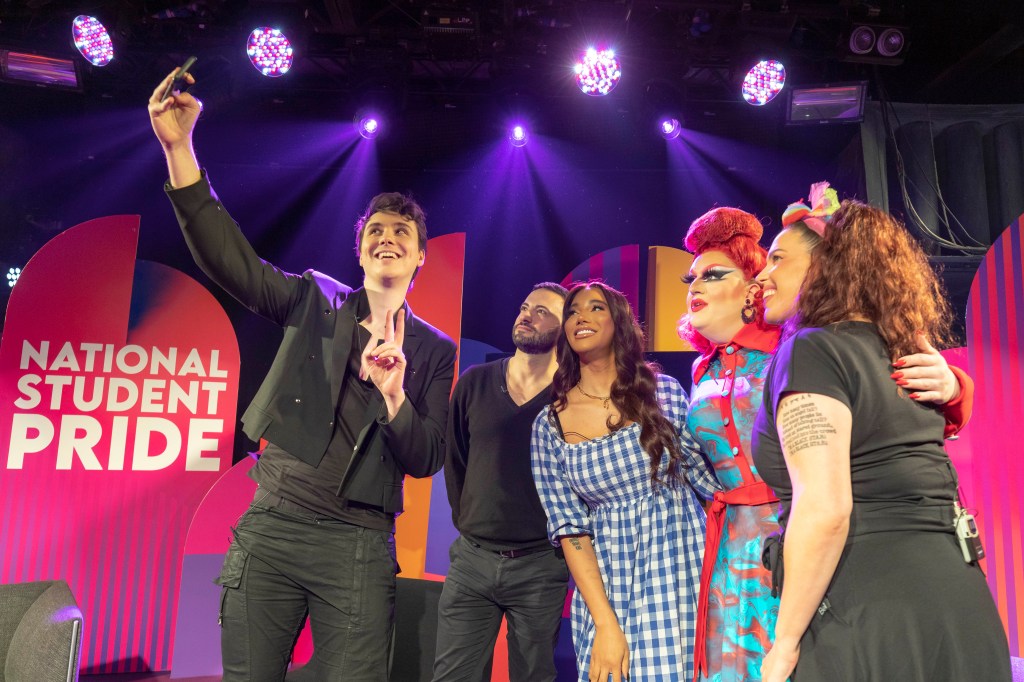
National Student Pride 2026 will its final due to DEI cuts (National Student Pride)
It is important to note, in 2024 National Student Pride introduced an ethical sponsorship policy after facing boycotts from both Queers for Palestine and Fossil Free Pride, campaigning groups that oppose sponsorship of Pride events by firms which have links to Israeli arms companies and the fossil fuel industry.
Both activist groups publicly supported each other’s campaigns, with Queers for Palestine stating at the time that “colonialism and the climate crisis are inextricable”, and as a result numerous performers dropped out of the event in support of the campaigns.
This new policy meant National Student Pride would no longer accept sponsorship from oil and gas and arms companies, alongside the banks that fund them.
However, as well as these internal changes at National Student Pride, external developments were also shaping the funding ecosystem – namely the Trump administration.
Since returning to the White House for his second term in January 2025, Donald Trump has made good on his election promises to gut DEI policies and programmes across the US government, military and wider society.
No sooner was Trump back in the Oval Office than he signed several executive orders culling anything vaguely related to DEI.
The first order, signed on his first day back in office on 20 January, was entitled ‘Ending Radical And Wasteful Government DEI Programmes and Preferencing’ and alleged Joe Biden’s administration “forced illegal and immoral discrimination programmes… into virtually all aspects of the federal government”.
The order also labelled DEI programmes and policies an “immense public waste and shameful discrimination”.
This order alleged such actions “not only violate the text and spirit of our longstanding Federal civil-rights laws, they also undermine our national unity, as they deny, discredit, and undermine the traditional American values of hard work, excellence, and individual achievement in favor of an unlawful, corrosive, and pernicious identity-based spoils system”.
National Student Pride launched back in 2005 (National Student Pride)
In response to this order, law firm Clifford Chance highlighted in April 2025 that American embassies had been issuing letters to US federal government contractors ordering them to comply with the Trump administration’s DEI ban – despite the fact these firms are not based in the US.
A third order, signed towards the end of January 2025, focused specifically on the military. Entitled ‘Restoring America’s Fighting Force’, the order claimed DEI policies are the same thing as sex and racial discrimination.
“These actions undermine leadership, merit, and unit cohesion, thereby eroding lethality and force readiness,” it stated.
These orders, alongside fervent campaigning by anti-woke MAGA activist Robby Starbuck, have seen several big name US businesses – including Walmart, Target, Ford, Lowe’s, Harley-Davidson and Jack Daniel’s – immediately drop their DEI policies, programmes and targets.
This rollback on DEI comes amid the US government’s wider ‘war on woke’ and mission to crackdown on federal spending by culling projects deemed unnecessary.
Projects and programmes cut by the newly-created and highly controversial Department of Government Efficiency (DOGE) under the second Trump administration have included USAID, the world’s largest provider of food aid, being shut down, staff in DEI and environmental roles being fired across various government departments and funding for HIV research and prevention being revoked.
These political decisions in the US have crept across the pond and are having a chilling effect in the UK across the third sector, with Heather Paterson – the head of partnerships and development for LGBT+ Consortium – saying, amid rollbacks on DEI spending, it is an “incredibly tough environment” for LGBTQ+ charities to operate.
Paterson added LGBT+ Consortium works with funders who have reported being subjected to “increasing negative feedback when donating to LGBTQ+ causes in recent years”.
This has left firms who donated to LGBTQ+ projects in the past feeling more cautious about doing so in the future.
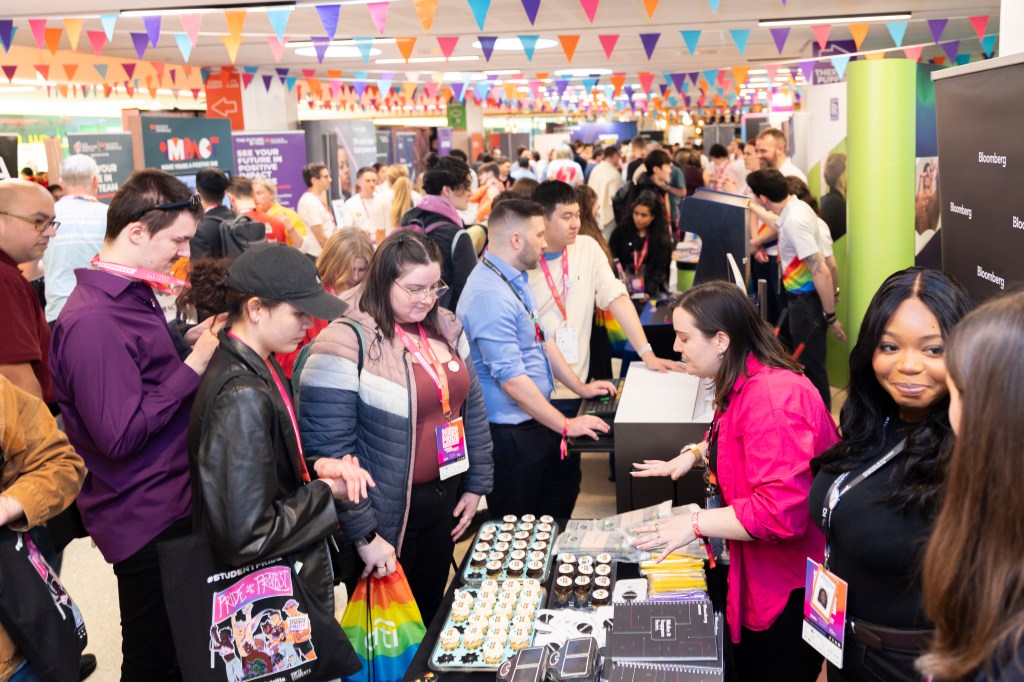
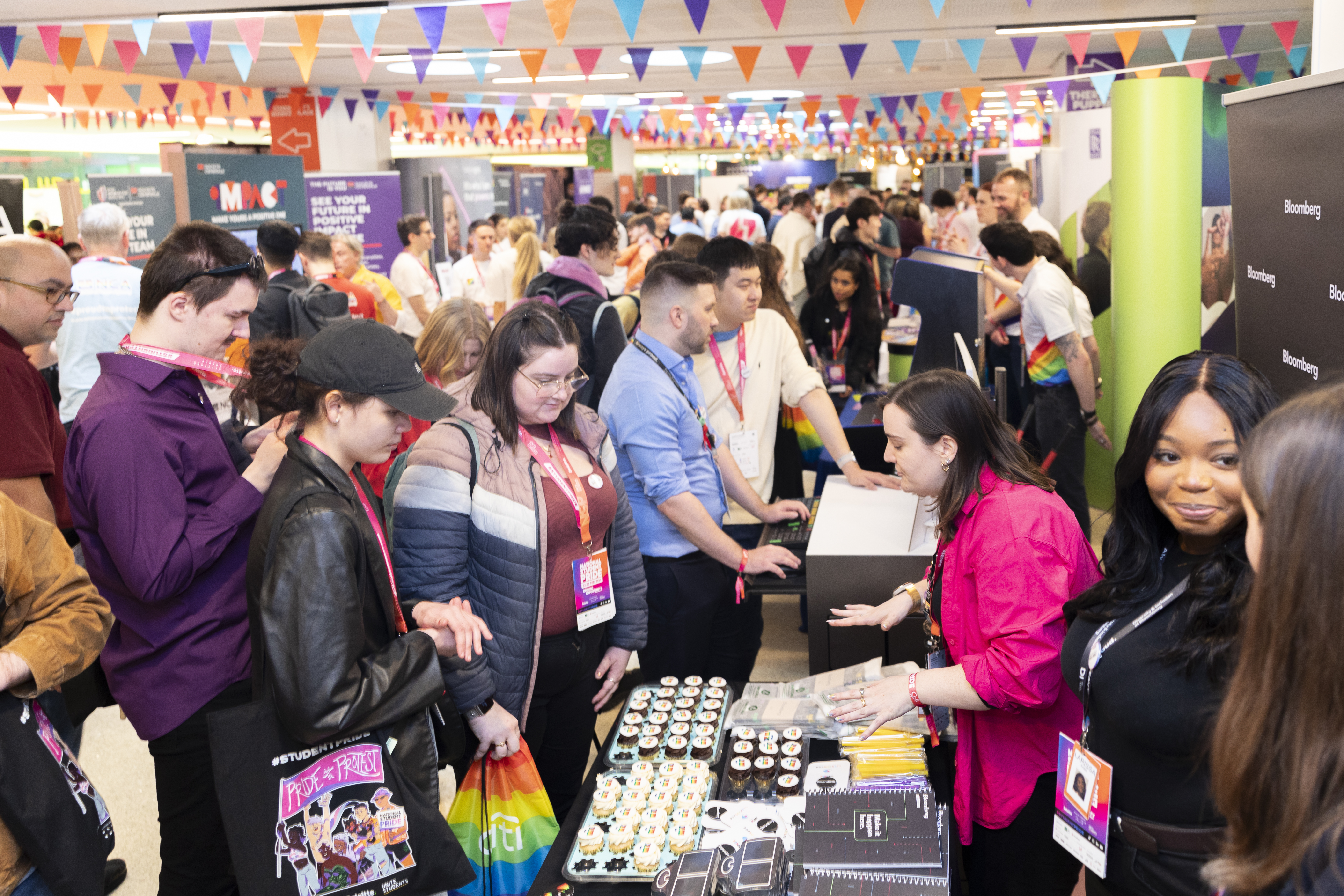
The careers fair at National Student Pride has long been an important resource for LGBTQ+ students (National Student Pride)
“We’ve lost sponsors that we’ve had for years that either have just not replied to our messages this year or can’t do it anymore with budget cuts,” Guy said.
“Everyone is struggling,” he added of the impact on the wider Pride sector. “It’s across the board.”
The biggest impact, Guy explained, will be for the students who will no longer have access to the community and connection of National Student Pride and the inclusive range of events it runs, particularly its careers fair.
“The space is probably needed more now, than its ever has been,” he said.
“Our Pride event is split into several factors, the careers fair, which is big, especially as graduates are struggling to enter the job market. We know from students we talk to that that is a valuable asset, but also our main stage centres around conversation and debate.
“One of our panels this year is Trans 2030, [looking at] future trans policy and over the next five years and those conversations are so relevant, especially to young people struggling with their own gender identity.
“We’re often the first Pride event that students attend, we’ve been told so many times over the years how much people get out of attending student pride”.
This is echoed by the students themselves.
One student, Artemis, said given the “current hardship of the job market for graduates” as well as the “increasing discrimination of LGBTQ+ voices in professional spaces”, National Student Pride “is needed more than ever”.
“With its free access to the largest collection of inclusive career stalls, NSP has helped me and other students learn more about their future prospects,” the student said.
Guy added: “When companies step back from DEI, it’s community spaces like National Student Pride, and the young people who rely on them that pay the price.
“We encourage companies to keep investing in DEI spaces, it makes companies better and makes the world more inclusive for us all to thrive together.”

 Connexion